


From Events to Awareness
Alerta Home uses passive sensors to recognize meaningful changes in residents’ normal daily routines.
These changes can help caregivers identify residents who may benefit from earlier assessment and attention. Over time, these may also be associated with increased risks such as falls, infections, dehydration, or functional decline.
Sensors
Routine Levels
& Notifications
Staff Support
Help staff detect changes earlier, understand long-term trends, and reduce avoidable escalations— without adding workload.
Care Response
Notice important changes earlier, so care teams can adjust care plans sooner.
Family Confidence
Offer families a privacy-preserving monitoring option they value. No cameras. No audio recorders. No wearables.
How Facilities Respond Sooner
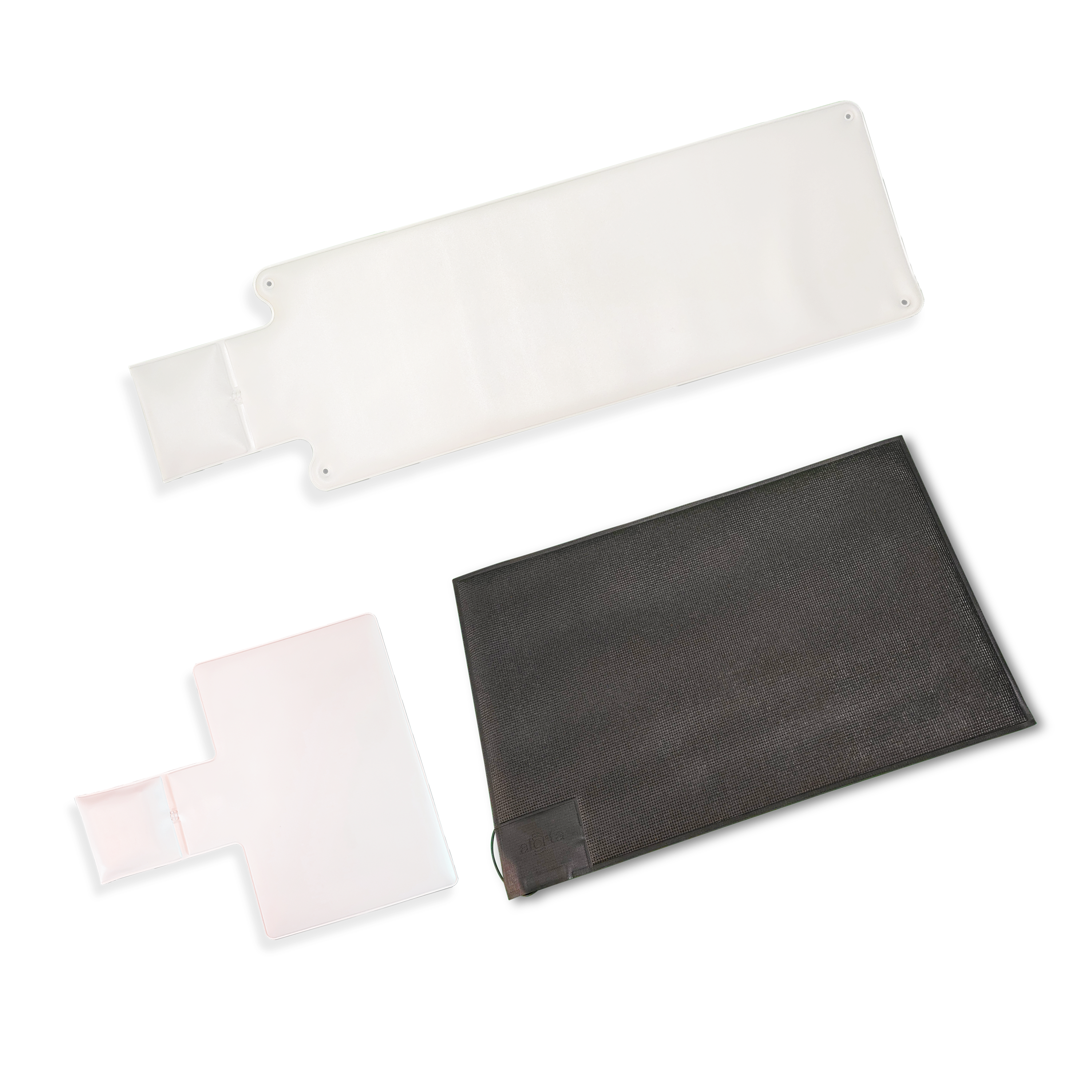
Passive Sensors
Alerta Home sensors blend naturally into the living environment.
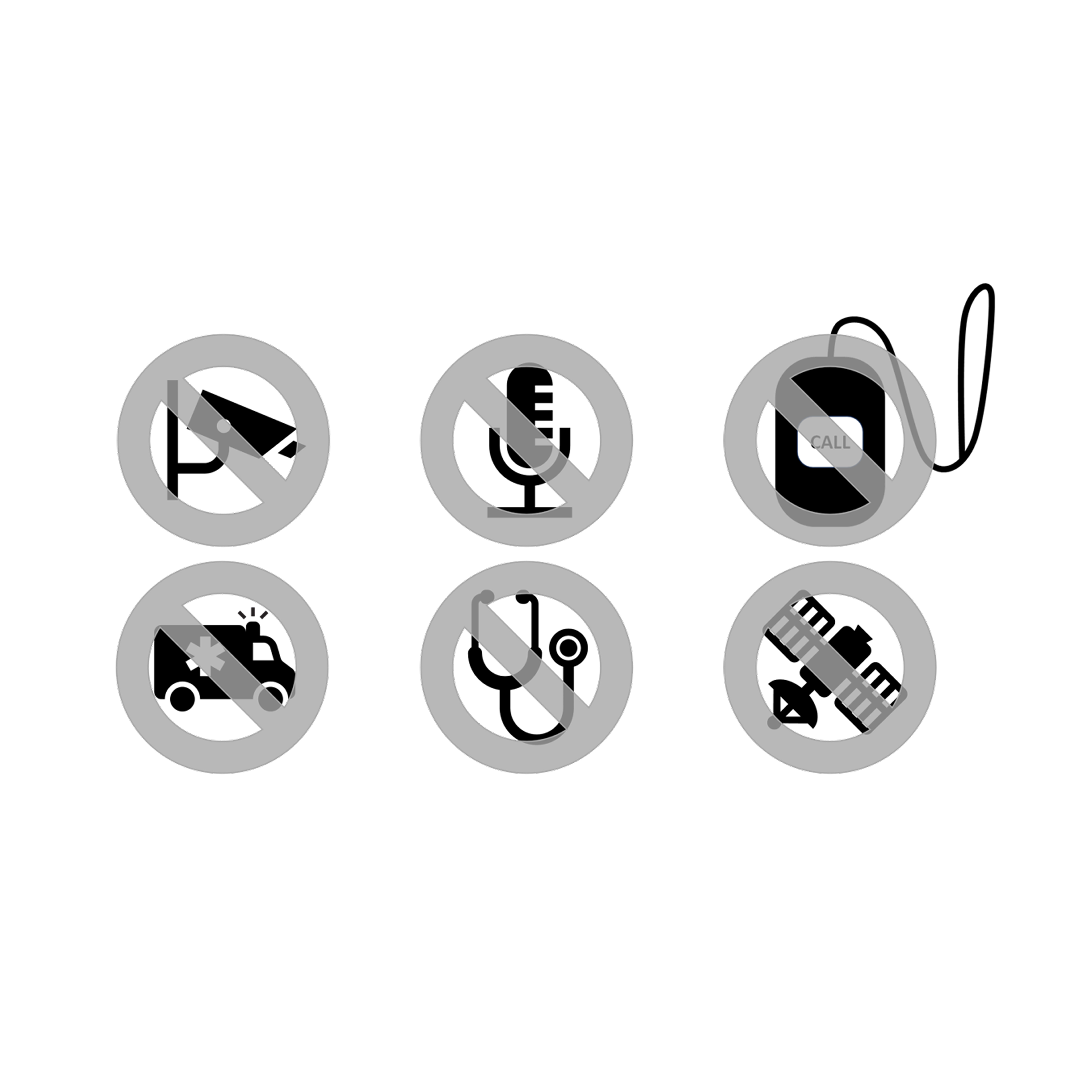
Daily Activity Without Cameras
Detect changes in daily activity and receive real-time notifications—without cameras, audio recorders, wearables, or GPS trackers.
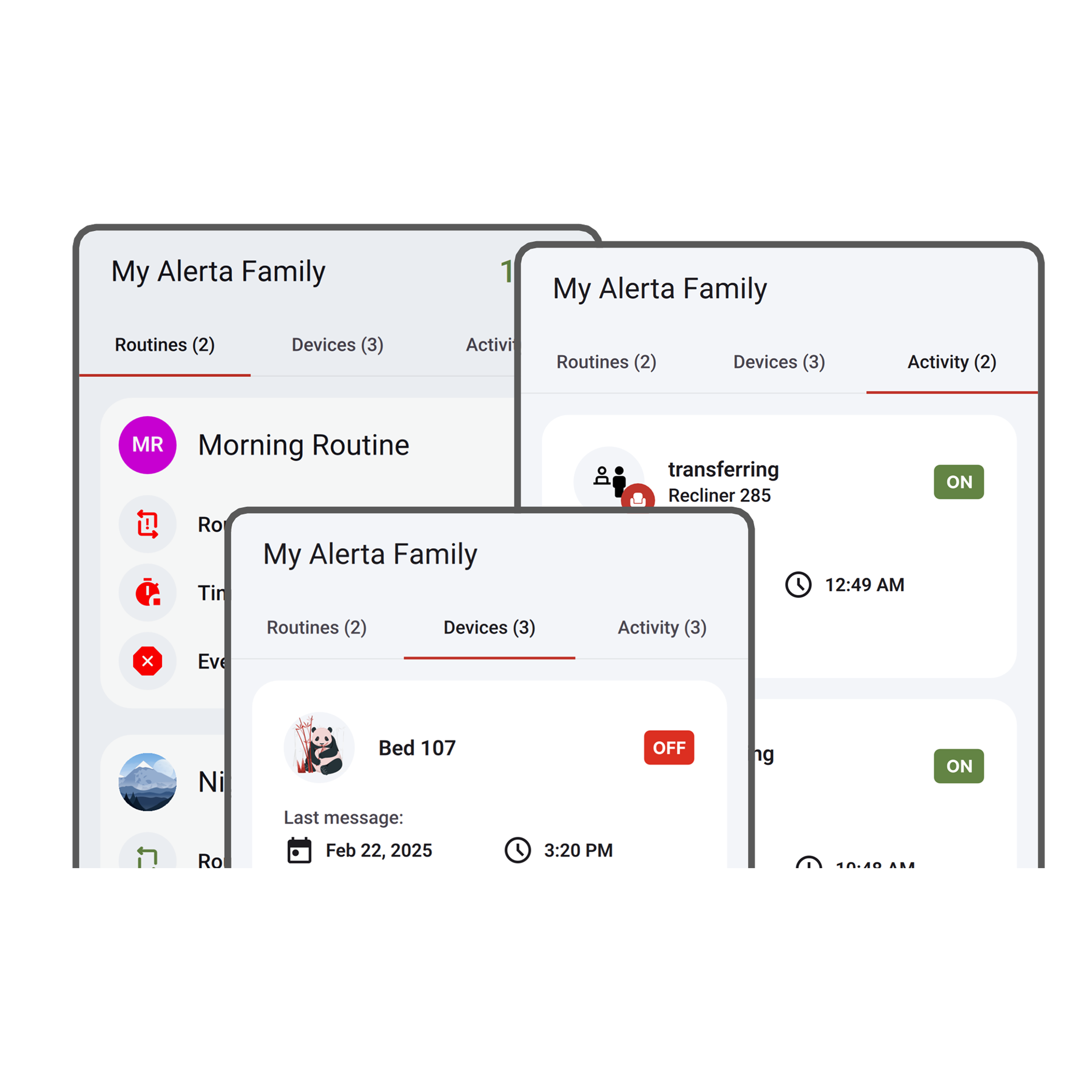
Cloud + Mobile App
Objective activity data helps staff understand trends, note events, and respond earlier.
Frequency Asked Questions
Is this surveillance?
Alerta Home is designed to preserve dignity: no cameras, no audio, and passive sensors. The goal is to help staff notice changes over time—not to watch or record residents.
Will residents accept it?
Adoption is typically higher than wearables because residents don’t need to remember or manage anything.
Is it reliable?
Alerta Home is designed to focus on changes over time, which can reduce unnecessary notifications compared with motion-only systems.
Is it expensive?
Most operators evaluate against the cost of incremental staffing and incident exposure. The pilot is structured to validate outcomes before scaling.
Start with a Controlled Pilot
Validate operational impact, staff workflow fit, and resident acceptance before scaling across communities.
Pilot Process
What Happens:
- Facility assessment + target unit selection.
- Controlled deployment scope (pilot unit / wing).
- Staff onboarding + workflow alignment.
- Outcome review: signal quality, interventions, documentation.
- Expansion decision + implementation review.
Request a Pilot
Prefer a live review?
Schedule a 20–30 minute implementation review with an operator-focused walkthrough.